
A kitchen renovation can look complete long before the electrical system is ready to support it. A new microwave, dishwasher, disposal, refrigerator, and range may all be in place, but overloaded circuits behind the walls can lead to nuisance breaker trips, damaged equipment, and serious safety concerns. This guide to dedicated appliance circuits explains why certain equipment needs its own electrical path and when it is time to have a qualified electrician evaluate your home or business.
What Is a Dedicated Appliance Circuit?
A dedicated circuit supplies power to one appliance or a single intended use. It starts at your electrical panel and runs directly to the outlet or hardwired connection serving that equipment. Because no lighting, receptacles, or other appliances share the circuit, the appliance has dependable access to the power it requires.
The circuit includes a properly sized breaker, wiring rated for the expected load, and the correct outlet or disconnect. The details matter. A circuit designed for a 15-amp load is not automatically suitable for a 20-amp appliance, and many large appliances require 240 volts rather than the standard 120 volts used by typical wall outlets.
Dedicated circuits are not an unnecessary upgrade. They are often required by current electrical codes, manufacturer instructions, or both. More importantly, they help prevent a high-demand appliance from competing with other devices for power.
Appliances That Commonly Need Their Own Circuit
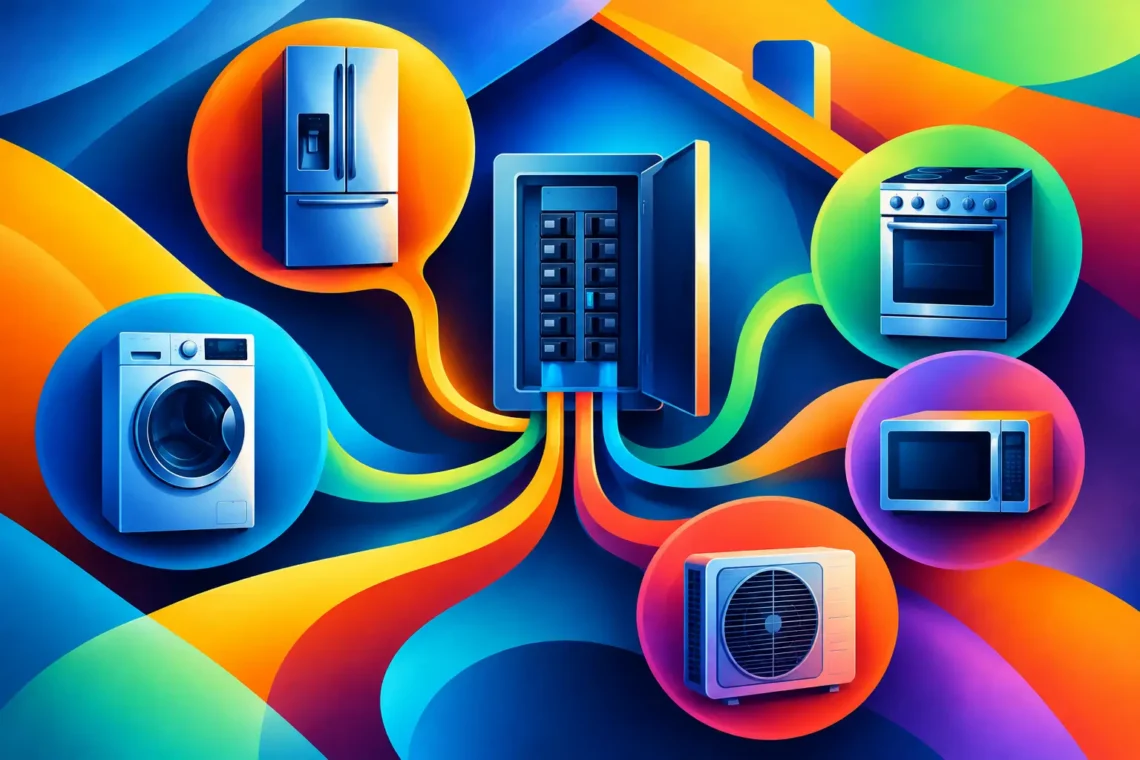
Requirements vary by appliance model, electrical load, and local code, but several appliances commonly receive dedicated circuits in residential properties. These include electric ranges and ovens, cooktops, clothes dryers, washing machines, dishwashers, garbage disposals, built-in microwaves, refrigerators, and freezers.
Heating and cooling equipment also frequently needs separate circuits. Central air conditioning condensers, heat pumps, air handlers, electric water heaters, furnaces, and window or through-wall AC units may have specific circuit requirements. In bathrooms, whirlpool tubs, heated floors, and heater-vent-light combinations can also require individual circuits.
In commercial settings, the list can be even more extensive. Ice machines, refrigeration equipment, commercial kitchen appliances, point-of-sale equipment, dedicated server hardware, and specialized AV systems may need circuits designed around their electrical demand. Equipment documentation is a key reference, but a licensed electrician should confirm the installation method and panel capacity before work begins.
A refrigerator is a good example of why the answer is not always simple. Modern kitchen layouts may include a dedicated refrigerator circuit, while older homes may have the refrigerator on a shared small-appliance circuit. If the existing arrangement is safe, code-compliant for the situation, and not causing overloads, replacement may not be immediately necessary. A renovation, repeated tripping, or a new higher-demand refrigerator changes the conversation.
Why Dedicated Circuits Matter
Electrical equipment draws more power at certain moments than at others. Motors, compressors, heating elements, and pumps can create a substantial demand when they start or cycle on. If that load shares a circuit with other equipment, the breaker may trip or the wiring may operate under conditions it was not designed to handle.
A properly installed dedicated circuit helps protect people, property, and equipment. It reduces the risk of overheated conductors and outlets, minimizes interruptions, and gives sensitive appliances more consistent power. It also makes troubleshooting easier. When a dishwasher stops working, an electrician can evaluate the dedicated circuit without sorting through unrelated devices on the same line.
For property managers and business owners, dedicated circuits support reliability. A refrigerator circuit that trips because someone plugged a coffee maker into a shared outlet can result in spoiled inventory or tenant complaints. A correctly planned electrical system helps avoid those avoidable disruptions.
Signs Your Property May Need a Circuit Upgrade
Breakers are designed to trip when they detect an overload or fault. Resetting one once after a clear cause may be reasonable. Resetting the same breaker repeatedly is not a solution. It is a sign that the circuit or connected equipment needs professional attention.
Watch for warning signs such as breakers that trip when an appliance starts, lights dimming when the dryer or microwave runs, warm outlets or plugs, buzzing at the panel, burning smells, or appliances that lose power unexpectedly. Extension cords and power strips used to operate permanent appliances are another concern. They are not a substitute for a correctly installed outlet and dedicated circuit.
Older New Orleans-area homes can present additional challenges. Electrical panels and wiring systems may have been installed before today’s appliances, HVAC demands, home offices, and entertainment systems became common. A panel may appear to have open breaker spaces but still lack the electrical capacity needed for new circuits. In other cases, the panel has adequate capacity but needs a careful, code-compliant circuit addition.
If an outlet is discolored, a breaker will not reset, or you smell burning, stop using the affected equipment and contact an electrician promptly. These conditions can indicate a loose connection, damaged wiring, or another issue that should not wait.
A Guide to Dedicated Appliance Circuits During Remodeling
The best time to plan dedicated appliance circuits is before cabinets, drywall, flooring, or finished ceilings are installed. During a kitchen, laundry room, bathroom, or commercial build-out, electrical planning should happen alongside appliance selection. Waiting until the appliances arrive can create delays and add cost if the panel, wiring route, or outlet location must be changed.
Start with the actual appliance specifications, not assumptions based on a similar model. Check the voltage, amperage, plug type, and manufacturer installation instructions. An electric dryer, for example, commonly needs a 240-volt circuit, while a gas dryer generally needs a standard 120-volt circuit for its motor and controls. Both need appropriate electrical service, but the circuit design is different.
Then consider how the room will be used. A kitchen may need dedicated circuits for fixed appliances in addition to the required countertop receptacle circuits. A garage may need separate power for a freezer, an electric vehicle charger, tools, or a mini-split system. A commercial office might need isolated circuit planning for network equipment and conference-room AV components.
This is also the point to evaluate the electrical panel. Adding a circuit is only safe when the panel, service, grounding, and overall load calculation support it. Installing a larger breaker to stop tripping is never the answer unless the wiring and appliance are specifically rated for that breaker size. Oversizing a breaker can allow conductors to overheat before the breaker responds.
What Professional Installation Should Include
Dedicated circuit work is not simply running wire and adding a breaker. A proper installation begins with an assessment of the appliance, existing wiring, panel capacity, and the route needed to reach the equipment. The electrician determines the correct conductor size, breaker rating, voltage, grounding method, and protection requirements for the location.
Depending on the installation, that may include GFCI or AFCI protection, a local disconnect, a receptacle matched to the appliance plug, weather-rated materials, or proper hardwired connections. Kitchens, laundry areas, garages, exterior locations, and commercial spaces can each have different rules. Local permitting and inspection requirements may also apply, especially for new circuits, panel upgrades, and renovation work.
Professional work also means labeling the panel clearly. Accurate labels are useful long after the project is complete. They make it easier to shut off the right circuit during maintenance and provide valuable information for future repairs, appliance replacement, or property turnover.
Do Not Let a Small Electrical Problem Grow
A tripping breaker may seem like a minor inconvenience, but it can be the first visible sign that an appliance circuit is undersized, overloaded, or failing. The right solution depends on the equipment, the age of the property, and the condition of the electrical service. Sometimes a new dedicated circuit is all that is needed. Sometimes the safer path includes panel repairs or a capacity upgrade.
Wiring Resource provides dependable electrical evaluations, dedicated circuit installation, panel work, and wiring upgrades for homeowners, property managers, and businesses throughout Greater New Orleans. A clear assessment now can protect your appliances, support your next project, and help your electrical system do its job safely every day.