
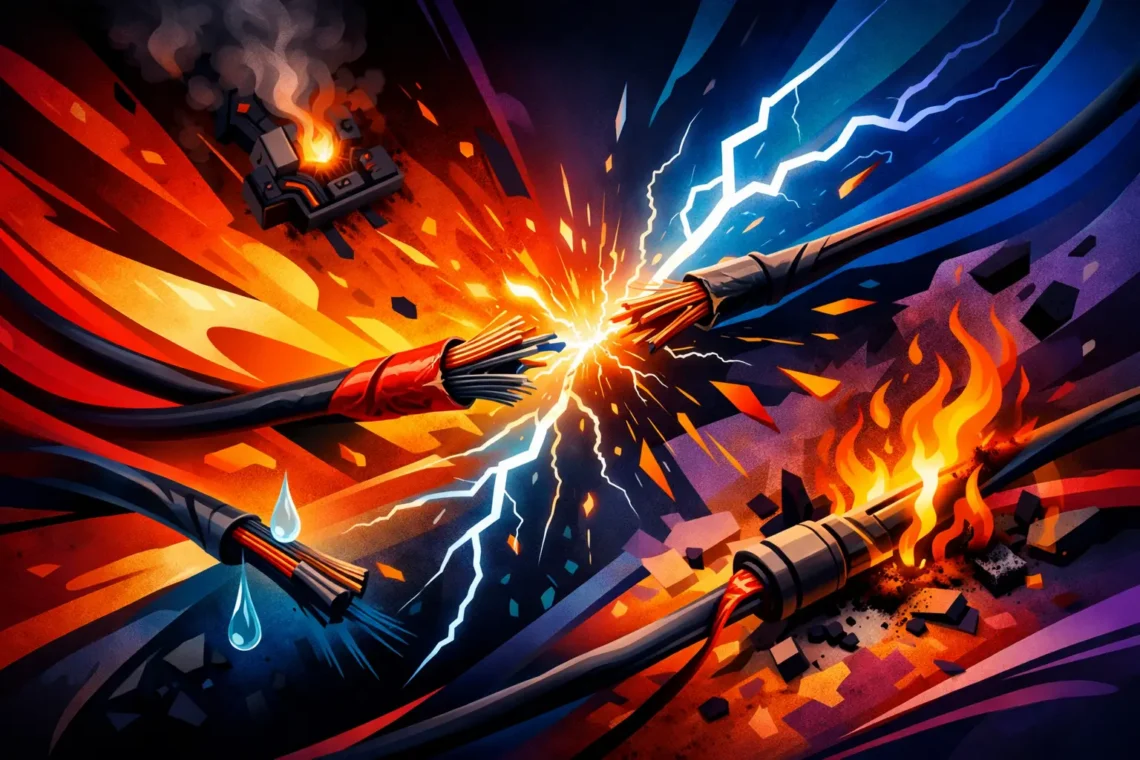
If a breaker trips once after you plug in too many things, that may be a one-time overload. If lights flicker, outlets feel warm, or you notice a burning smell, those are signs of bad electrical wiring that should not be ignored. Electrical problems rarely fix themselves, and small warning signs can turn into safety hazards fast.
For homeowners, property managers, and business owners, the challenge is knowing the difference between a minor nuisance and a real wiring issue. Some symptoms point to aging components. Others suggest loose connections, overloaded circuits, damaged insulation, or wiring that was never installed correctly in the first place. The sooner the source is identified, the easier it is to prevent equipment damage, downtime, or fire risk.
Common signs of bad electrical wiring
Bad wiring does not always announce itself with a major failure. More often, it shows up through smaller patterns that become more frequent over time.
Breakers that trip repeatedly
A circuit breaker is designed to shut power off when a circuit is overloaded or unsafe. An occasional trip can happen, especially if too many high-draw devices are running at once. Repeated trips from normal day-to-day use are different.
If the same breaker keeps tripping, the issue may be an overloaded circuit, a short, a ground fault, or a wiring defect somewhere behind the wall. Resetting the breaker without finding the cause only delays the repair. In commercial settings, this can also interrupt equipment and create avoidable operational headaches.
Flickering or dimming lights
Lights that flicker once during a storm are not unusual. Lights that dim when an appliance starts, or flicker for no clear reason, deserve attention. This can point to loose wiring connections, a circuit struggling with demand, or panel-related issues.
The context matters. A single light fixture may have a local problem, such as a failing switch or loose fixture wiring. If flickering happens in multiple rooms, the issue may be deeper in the electrical system.
Warm or discolored outlets and switches
An outlet or switch should not feel hot. Slight warmth from a dimmer switch can be normal in some cases, but standard outlets, wall plates, and switches should stay relatively cool. If you notice heat, yellowing, browning, or scorch marks, stop using that device and have it checked.
Heat usually means electricity is meeting resistance where it should not. That often comes from loose connections, damaged wiring, or overloaded devices. Left alone, those conditions can escalate quickly.
Buzzing sounds from walls, outlets, or panels
Electricity should be quiet. If you hear buzzing, crackling, or humming near an outlet, switch, breaker panel, or inside a wall, something is wrong. In many cases, the sound comes from loose connections or arcing.
Arcing happens when electrical current jumps through the air between conductors. That creates heat and significantly raises fire risk. Even a faint buzz is worth taking seriously.
Burning smells
A persistent burning or fishy smell near outlets, switches, or the panel is one of the clearest warning signs. Wiring insulation and electrical components can produce a distinct odor when overheating.
If the smell appears when a switch is used or a device is plugged in, turn off power to that area if it is safe to do so. Do not keep testing it to see if the smell comes back. This is a situation where prompt professional service matters.
Sparking outlets
A small visible spark when plugging something in can happen occasionally, but larger sparks, repeated sparking, or sparks followed by a burning smell are not normal. Those symptoms can mean deteriorated outlets, poor connections, or wiring faults behind the box.
This is especially important in older homes and commercial buildings where outlets may be worn out after years of use. Replacing the outlet may solve the issue, but if the wiring feeding it is damaged, the problem goes deeper than the face of the device.
Loose outlets or switches
If plugs slide out easily or outlets move in the wall when used, that is more than an annoyance. Loose devices can strain wiring connections and increase the chance of arcing. The same goes for switches that feel unstable, fail intermittently, or only work if pressed a certain way.
These may seem like small repairs, but they can reveal larger installation or wear-related problems. A secure, properly connected device is a basic safety requirement.
Mild shocks or tingling sensations
You should never feel a shock when touching a switch, plugging in a charger, or using an appliance. Even a mild tingling sensation can signal grounding problems, faulty wiring, or damaged devices.
This is one of those it-depends situations. Sometimes the issue is with the appliance itself. Sometimes the outlet or branch circuit is at fault. Either way, it should be tested by a licensed electrician instead of guessed at.
Outlets that do not work properly
Dead outlets, half-working outlets, or outlets that only work after resetting a breaker can all point to wiring trouble. In some cases, a tripped GFCI is the simple explanation. In others, the circuit may have a loose connection, failed receptacle, or damaged wire.
If multiple outlets stop working at once, that usually suggests a broader circuit issue rather than a single bad device. In rental properties and commercial spaces, that kind of failure can quickly affect convenience, productivity, and safety.
Older wiring that no longer matches current demand
Not every wiring problem shows visible symptoms right away. In older homes and buildings, the wiring system may simply be outdated for how the property is used now. Added appliances, modern electronics, office equipment, EV charging, and HVAC loads can all put more pressure on the system than it was designed to handle.
That does not always mean a full rewire is necessary. Sometimes targeted circuit upgrades, panel improvements, or replacing damaged sections will solve the problem. But if a property still has aging wiring materials or a history of patchwork electrical work, an inspection is a smart next step.
When the signs of bad electrical wiring point to urgent danger
Some issues can wait a day or two for a scheduled appointment. Others should be treated as urgent. If you smell burning, see smoke, notice blackened outlets, hear active crackling in the wall, or lose power to part of the building without a clear reason, it is time to act quickly.
If it is safe, shut off power to the affected circuit or the main breaker and stop using the area. Do not open walls or try to repair wiring yourself. Electrical faults are not just inconvenient. They can energize metal parts, damage expensive equipment, and create hidden fire hazards behind finished surfaces.
Why these problems happen
Wiring issues can develop for several reasons. Age is one factor, especially in properties with outdated materials or years of wear. Poor workmanship is another. Loose terminations, overloaded circuits, undersized wiring, and improper modifications all show up sooner or later.
In the New Orleans area, moisture and humidity can also contribute to electrical wear over time, especially in garages, exterior installations, and older structures. Commercial properties may face added stress from heavier equipment loads and repeated use. The exact cause is not always obvious from the symptom alone, which is why proper testing matters.
What a licensed electrician should check
When wiring problems are suspected, the goal is not just to replace the nearest outlet and hope for the best. A thorough diagnosis should trace the issue back to its source. That may include checking the affected devices, testing circuits, inspecting connections, evaluating breaker and panel performance, and looking for signs of overload or heat damage.
Sometimes the repair is straightforward. Sometimes a symptom in one room actually starts at the panel or a junction elsewhere in the building. That is why experienced troubleshooting saves time and reduces repeat problems.
For properties with frequent electrical issues, it may also make sense to review whether the panel has enough capacity, whether circuits are properly distributed, and whether recent renovations or additions were wired correctly. A dependable electrical system should support how the space is actually being used.
Do not wait for a bigger failure
Most signs of bad electrical wiring start small. A flicker here, a warm outlet there, a breaker that trips more often than it should. Those details are easy to put off, especially when power still works most of the time. But wiring problems tend to get worse under continued use, not better.
If something in your home or commercial property feels off, trust that instinct and have it checked. A clear diagnosis now can prevent larger repairs later and help keep the people in your space safe. Wiring Resource approaches these calls the way they should be handled – with responsive service, straightforward answers, and repairs that solve the actual problem.